
2023 TTR Symposium
Thank you to everyone for making this year’s symposium a great success! Please see below for digital posters and videos of the plenary, live oral presentations, and a presentation by the Assessment Working Group.
Oral Presentations
Title: Utilization of the Master Adaptive Learner Model in a Transition to Residency Workshop
Dr. Lauren S. Starnes is a second-year pediatric hospital medicine fellow at Vanderbilt University Medical Center. She is originally from Chicago, Illinois and attended Northwestern University for her undergraduate studies. She attended Vanderbilt University School of Medicine and completed her pediatrics residency at Vanderbilt University Medical Center. She obtained her Master of Education degree from Vanderbilt University Peabody College in the Learning and Design Program.
Title: MS4 to Intern & Healer to Harmer: Preparing MS4s in the Transition to Residency Course for Patient Complications
Dr. Campbell Grant is an Assistant Professor in the Urology department at the University of Kentucky. He completed residency at George Washington University and a Fellowship in Pediatric Urology at Cincinnati Children's Hospital. He has a certificate in Medical Education from the University of Cincinnati. He is the Advanced Development Director for the Urology Residency and oversees medical students. | Sabina Warns is a second-year medical student at the University of Kentucky.
Assessment Working Group: Narrative Feedback
The TTR Educators working group on Assessments has spent the last 2 years looking for helpful information to summarize for TTR course directors and coordinators. Here they summarize their findings and advice on providing narrative feedback.
2023 Plenary talk: Transition To AI
Abhi Suri (UCLA)
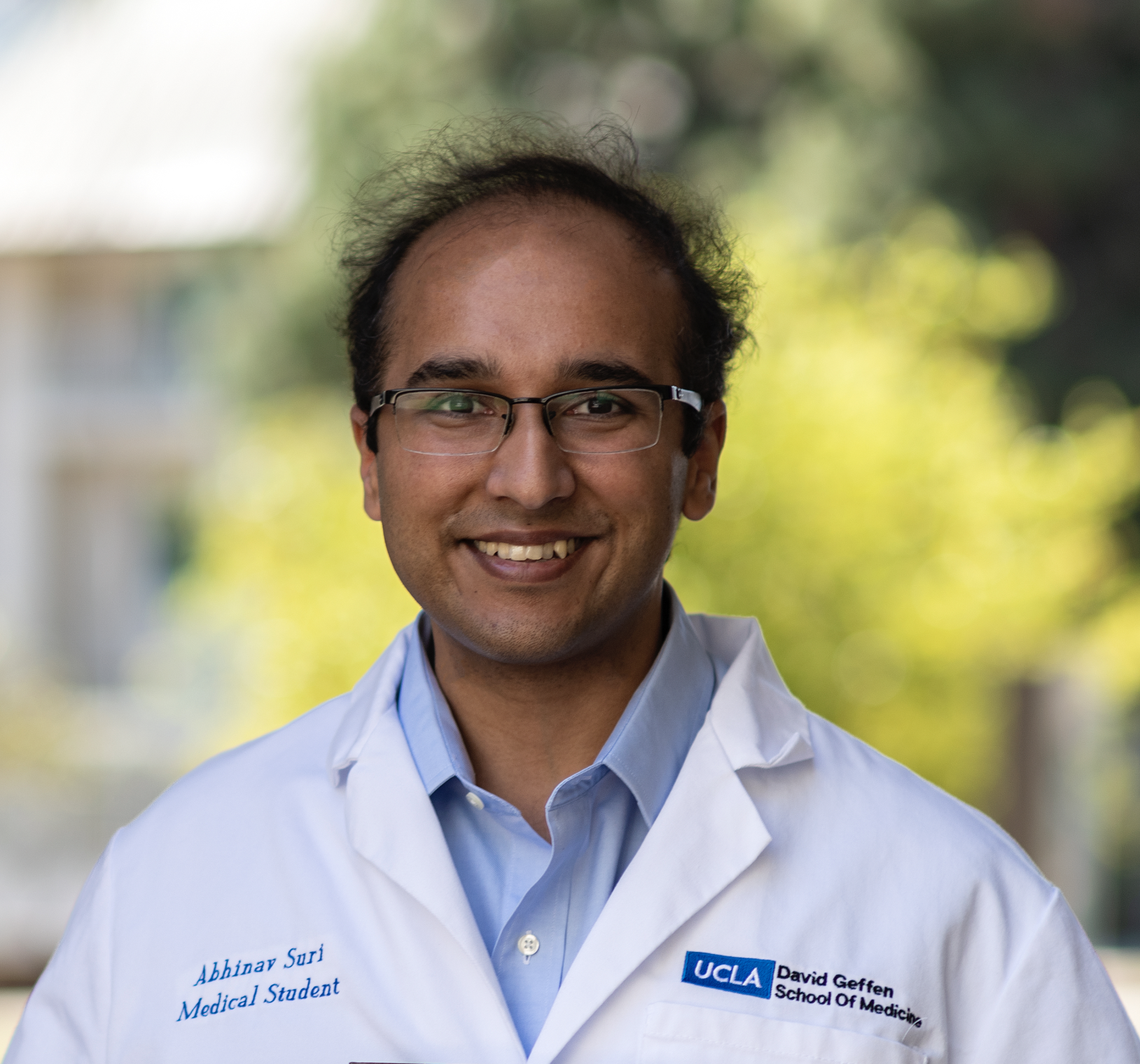
AI, ChatGPT, LLMs...what do all the acronyms mean, and how can they help with transition-to-residency courses? Join us as we give a lightning overview of artificial intelligence (AI) and the recent explosion in AI-powered chat applications. In this talk, you'll learn about the basics of AI, the history of large language models leading up to ChatGPT, and the application of GPT in medical education course design.
Abhi Suri is a research fellow at the NIH and a medical student at the David Geffen School of Medicine at UCLA. He completed his undergraduate studies at the University of Pennsylvania in Computer Science and Biology and went on to do a Masters in Public Health in Epidemiology at Columbia. Abhi aims to use programming and artificial intelligence (AI) to its fullest capacity in his career as a physician. He has worked in several labs and produced research using AI for a variety of topics ranging from using AI to automatically measure scoliosis from X-Rays to uncovering trends in opioid use during the pandemic. He is also a teacher at heart and has taught programming to hundreds of students as an undergraduate. Additionally, he published a book Practical AI for Healthcare Professionals, aimed at teaching healthcare providers about the fundamentals of AI and how to actually program it.
Prior TTR Symposia
2022 TTR Symposium
2021 TTR Symposium
2020 TTR Symposium

2019
